
Promote your contents FREE, contents such as WebSites, YouTube channels, YouTube videos, Facebook, Instagram, LinkedIn, Twitter, Pinterest and many more.
Discover the key differences between static and dynamic websites. Explore coding concepts, database integration, and admin panels.
Opening content automatically in secounds...
Or
This content was added on Spotenjin at 05 Oct 2026 and got 11 visits untill now.
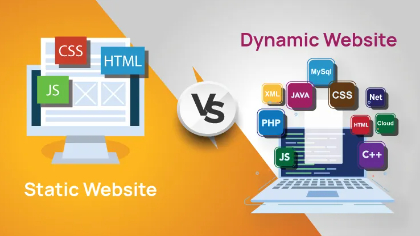
When starting out in web development or planning to build an online presence for a business, one of the fundamental concepts to grasp is the difference between static and dynamic websites. Choosing the right architecture depends heavily on your goals, technical expertise, and how frequently content needs to be updated. Understanding how both systems operate provides clear guidance for developers, entrepreneurs, and content creators looking to make informed technology choices.Understanding Static WebsitesA static website consists of fixed web pages coded in languages like HTML, CSS, and JavaScript. Each page is stored on the web server exactly as it is designed to be viewed by users. When someone visits a static site, the server delivers the exact same file to their browser without any server-side processing or database interaction.Characteristics of Static SitesFixed content that remains identical for every visitor until code is manually editedFaster initial loading speeds due to minimal server-side processingLower hosting costs and simpler deployment configurationsRequires technical knowledge or code editing to update text, images, or layoutUnderstanding Dynamic WebsitesIn contrast, dynamic websites generate content in real-time using server-side languages, application frameworks, and databases like MySQL. When a user requests a page, the server processes scripts, fetches data from a database, and assembles the web page on the fly before sending it to the browser. This architecture allows pages to change based on user interactions, time of day, or administrative controls.Key Features of Dynamic SitesDatabase integration for storing user data, products, and articlesAn administrative panel or content management system (CMS) allowing non-technical users to update content easilyInteractive elements such as user logins, e-commerce checkouts, and comment sectionsScalability for large platforms that require frequent updatesChoosing the Right Approach for Your ProjectDeciding between a static or dynamic setup depends entirely on project requirements. If you are building a simple portfolio, landing page, or informational site where content rarely changes, a static structure offers speed, security, and simplicity. However, if your platform requires regular updates, user accounts, product catalogs, or administrative management, investing in a dynamic website is the practical choice.ConclusionBoth static and dynamic websites play vital roles in the web development ecosystem. By understanding their core structural differences, processing methods, and maintenance requirements, you can select the optimal framework for your next coding project. Whether prioritizing raw loading speed or flexible content management, choosing the right tool ensures long-term success on the web.